
Pediatric Scoliosis
Understanding Your Child’s Scoliosis
A scoliosis diagnosis can feel overwhelming, but in many cases, it’s highly treatable, especially when addressed early.
Dr. Siambanes helps families understand their child’s condition and guides them through what to expect next, step by step.
What Is Pediatric Scoliosis?
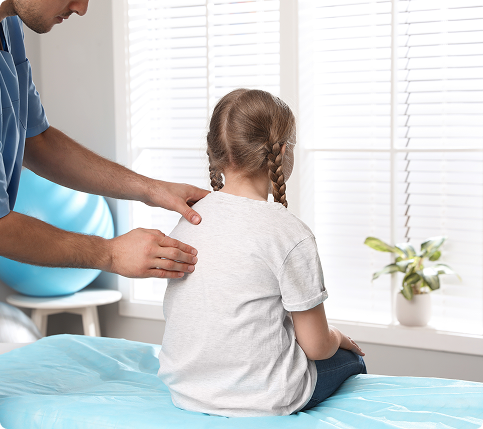
Scoliosis is an abnormal sideways curvature of the spine. In children, it most commonly develops between ages 10 and skeletal maturity, a period when the spine is growing quickly, and curves can change faster than expected.
The most common form is idiopathic scoliosis, meaning no single cause has been identified. Genetic factors are increasingly understood to play a role. Girls are significantly more likely than boys to develop curves that progress to the point of requiring treatment.
No two cases are the same. The degree of curvature, your child’s age, and how much growth remains all factor into how their condition is managed. That’s why early evaluation matters and why the experience of the specialist you choose makes a real difference.
Types of Scoliosis in Children
Scoliosis looks different depending on when it develops and how it progresses. Select a condition below to learn more.

Fellowship-Trained
Idiopathic scoliosis, the most common form, typically appears in children between the ages of 10 and maturity. No single cause has been identified, though genetic factors are increasingly understood to play a role. Early detection and careful monitoring are essential during the growth years, as growth curves can progress quickly during adolescence. Bracing is often recommended to prevent progression, while surgery may be considered for larger curves.

Congenital Scoliosis
Adults can develop scoliosis for the first time or experience progression of a curve that was present since adolescence. Unlike pediatric scoliosis, which rarely causes pain initially, adult scoliosis often presents with back and leg pain, as well as difficulty standing upright for extended periods. Treatment ranges from physical therapy and pain management to surgical correction for curves that significantly affect quality of life.

Neuromuscular Scoliosis
A curvature of the spine that results from anomalies or abnormally developed vertebrae, which are the building blocks of the spinal column.
Signs to Watch For
Scoliosis rarely causes pain in children, which is part of why it can go unnoticed for a while. Parents and school screening programs are often the first to spot it.
If you notice any of the following, it’s worth having your child evaluated by a spinal specialist. In most cases, an X-ray is all that’s needed to understand what you’re dealing with.
Treatment Approach
Treatment Options for Pediatric Scoliosis
The goal is always to prevent the curve from progressing to a point where it affects your child’s health, comfort, or daily life. Dr. Siambanes takes a careful, individualized approach, evaluating each child thoroughly and recommending only what the situation requires.
Monitoring
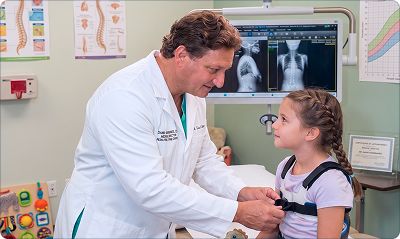
For mild curves, regular observation is often all that’s needed. Periodic exams and X-rays track whether the curve is holding steady. Many children with mild scoliosis never need anything beyond monitoring.
Bracing
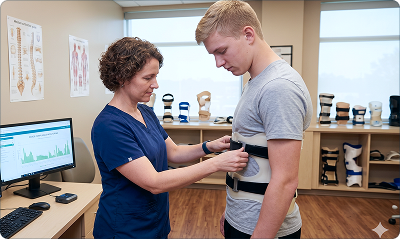
For moderate curves in a still-growing child, a brace can prevent the curve from worsening. It won’t correct the existing curve, but when worn consistently, it is highly effective at preventing further progression.
Surgery
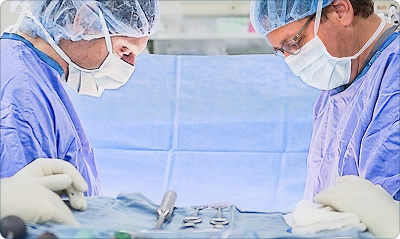
For large curves progressing rapidly, or beyond what bracing can manage, surgery provides lasting correction. Dr. Siambanes uses the surgical approach best suited to each child’s age, curve, and growth stage.
Why Families Choose Dr. Siambanes
Navigating a child’s scoliosis diagnosis is easier when you have a specialist who not only understands the condition but also understands what families are going through.
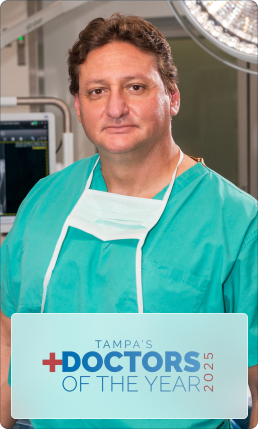
Dr. David Siambanes is board-certified in orthopedic surgery with fellowship training in pediatric orthopedics at Alfred I. duPont Hospital for Children and reconstructive spine surgery at the University of Southern California.
He works alongside a multidisciplinary team, including physical therapists, orthotists, and pediatric care coordinators, so families have support at every stage, from first evaluation through recovery.

Fellowship-Trained Expertise
Subspecialty training in both pediatric orthopedics and reconstructive spine surgery — the two disciplines at the heart of pediatric scoliosis care.

3D Spinal Modeling
3D reconstructions of each patient’s spine allow Dr. Siambanes to analyze the curve, plan correction with precision, and anticipate surgical challenges before entering the operating room.

Multidisciplinary Team
Physical therapists, orthotists, neurologists, and care coordinators work alongside Dr. Siambanes to support each child and family through every phase of treatment.
contact us
Ready to Explore Your Child's Options?
You don’t need to have all the answers before you come in. Bring your questions and concerns, and Dr. Siambanes will walk you through everything.
Dr. Siambanes serves families throughout the Tampa Bay area, including Tampa, St. Petersburg, Clearwater, Brandon, Wesley Chapel, and surrounding communities.
"*" indicates required fields